How Coaches Can Use Technology to Build a High-Performance Culture
TOPIC: Coach Development
Coaches love to talk about culture, but talking about it and building it are two very different things. A strong culture doesn’t happen because you add software, post a slogan, or expect athletes to magically buy in. It happens when your values, expectations, and communication are shared across the group. Here’s how to define culture, use technology to support it, and put it into practice day after day.

Written By
Tim Robinison
Tim Robinson directs all things sales for TrainHeroic. Tim has spent the last eight-plus years helping coaches, both on TrainHeroic and TrainingPeaks, achieve their desired business goals. With nearly a decade of industry-leading sales experience, as well as proven, impactful marketing strategy and go-to-market implementation, Tim’s daily mission is to help coaches make the best possible decisions for their businesses, brands, and athletes/clients.
“How do I create better engagement with my athletes?”
“So, do I just trust that my clients/athletes will log their data and record it accurately?”
“How can TrainHeroic ensure that my athletes will participate in their training?”
These are questions I’m asked on a daily basis by coaches from all over the planet. There’s something I want you to keep in mind: technology, software, data analysis programs, etc. are all exceptional tools to help coaches solve a particular pain point.
They were not invented to be the be-all and end-all.
At TrainHeroic, we aim to be the best tool in your arsenal, not THE arsenal. The solution to those questions is not simply to introduce technology into your weight room and expect immediate compliance. (Man, that would be great though!)
Technology can make logging easier, feedback faster, and communication more consistent. But coaching is a human endeavor. It’s a people business. Don’t forget why your athletes or clients came to you, the coach, in the first place.
They expect you to set a high standard, give expert instruction, manage their expectations, and drive them toward their goals.
So, can technology help you build a high-performance culture? Yes, but only when it supports the values, expectations, communication, and accountability you are already creating as a coach.
The answer to better engagement is not simply better software. The answer is culture.
What is a High-Performance Culture?
A high-performance culture is a dynamic process characterized by the shared values, beliefs, expectations, and practices across the members and generations of a defined group.
Simple, right? Not so fast.
The foundation for a strong culture is communication. Communication is an exchange of information and requires TWO parties ACTIVELY participating, not just you barking orders and expecting compliance.
Along with the implicit idea of communication, keep two words in the forefront of your mind: shared and dynamic.
If you have to get on the phone and ask me if software will make your athletes log their data, this means your values, beliefs, expectations, and practices clearly are not shared. You may think they are, but I assure you, they are not.
The athletes lack an understanding of why logging training data is so important and, most likely, why training itself is important. This has not been conveyed to them in a way they understand. They hear the words, but they do not buy them.
Here’s some quick feedback regarding your ability to communicate with your athletes: if they consistently use the excuse, “Oh, I forgot to write down my weights,” you know they don’t get it.
Forgetting to log data happens from time to time. But forgetting to log on a consistent basis is a choice. You don’t forget to run into the end zone, you don’t forget to score a goal, you don’t forget to box out.
The expectation is that you record your numbers. If they consistently don’t log, that means this practice is not shared or understood by all parties.
How Does Technology Support Athlete Buy-In?
Technology supports athlete buy-in by making expectations clearer, feedback faster, and progress more visible. But it cannot create buy-in for you. That still has to come from the coach.
I explicitly define data logging and its importance to my athletes at the start of every cycle — 4 to 6 weeks. It goes something like this:
“How will you know you’re reaching your goals and getting better? You need to record your numbers to find out. That is the evidence. Not for me, but for you. I cannot help you get to where you want to be if YOU don’t know where you are right now. Understood?”
I already know where the athletes want to be, as we have 1:1 meetings monthly about their goals. As a general rule, I hold my 1:1s the first week — Monday through Wednesday — of every month. We define our goals in three categories:
Micro-goals: Where do you want to be or what would you like to accomplish by the end of this week?
Meso-goals: Where do you want to be or what would you like to accomplish in three months?
Macro-goals: Where do you want to be or what would you like to accomplish one year from now?
Don’t put limits or guidelines on these goals. They could be social, academic, family-oriented, or athletically driven. Let the athlete dictate the terms. You will find out more about their motives and drives by opening up the possibilities.
How Can Coaches Use Technology to Improve Communication?
Coaches can use technology to improve communication by giving athletes context, collecting feedback, and keeping training expectations visible between sessions.
Dynamic is an important part of culture. Dynamic simply means moving or changing. If you are not adapting your methods and modalities for different populations, then you cannot possibly expect to create engagement and a shared understanding.
Every person is different. Every athlete is different. Each year your team will be different. You need to adjust the way you are communicating to each person. As the coach, you need to speak to them individually and find their motivating factors.
I guarantee you that if you lay out the expectations to them in terms or ideas they are familiar with, you will have a better shot of getting them to say, “Oh, OK coach! That makes sense.”
Here are a few ways to use communication and technology to create buy-in, engagement, and a rock-solid culture of high performance.
1. Research and Gather Information
To have the most impact and be the best influencer to your people, you have to know them, understand them, and be aware of their internal drives and motivations.
You have to understand the personality traits of your people. Questionnaires, 1:1 meetings, and pairing individuals who have similar drives together can all help. Are they competitors? Are they timid? How are you going to coach each? Everyone has a separate identity. Everyone has different incentives.
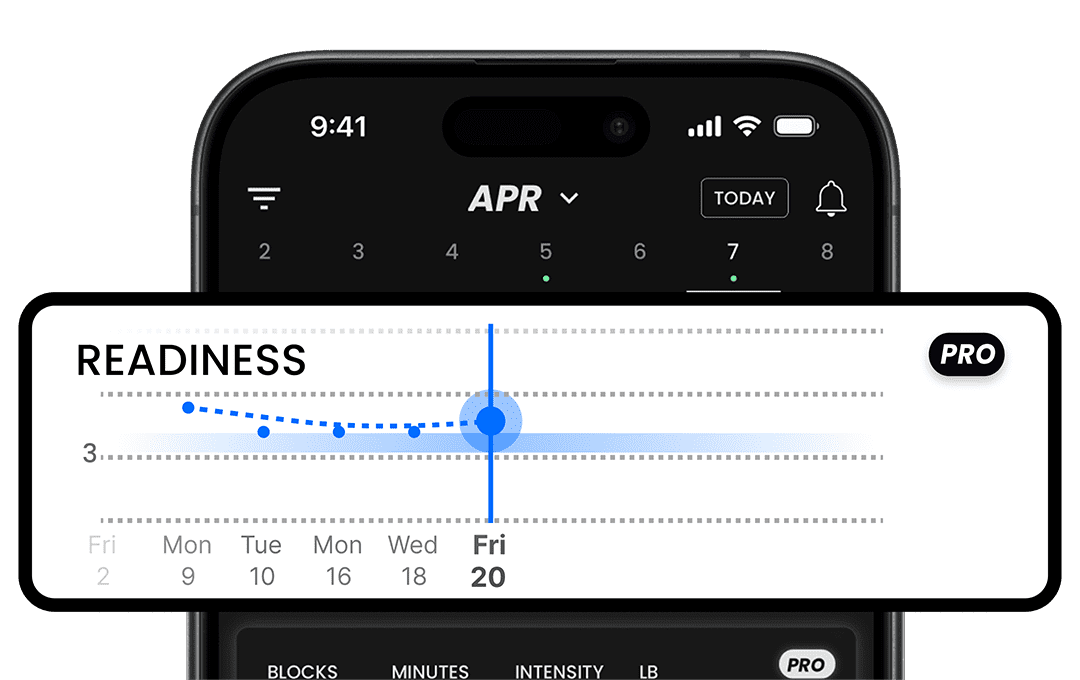
Technology can help here by giving you more than attendance or completed/not completed data. At TrainHeroic, we utilize not only immediate feedback regarding external load, but also a review of internal load via ready-to-go readiness surveys before each training session and after each session. We also implement real-time leaderboards and live feeds to keep you connected to your athletes.
2. Develop Context
Information without context is not only useless, but also dangerous. You need to first describe how training, or logging data in the case above, will provide benefit to the athlete.
Don’t simply train and log to satisfy coach. Do it to reach your goals and better your performance. Explain why we are doing this particular movement at this particular time.
If your athletes ask why and you cannot provide an immediate and accurate response, you should not be teaching that movement, play, or scheme. Understand the why first, then learn the progression to how.
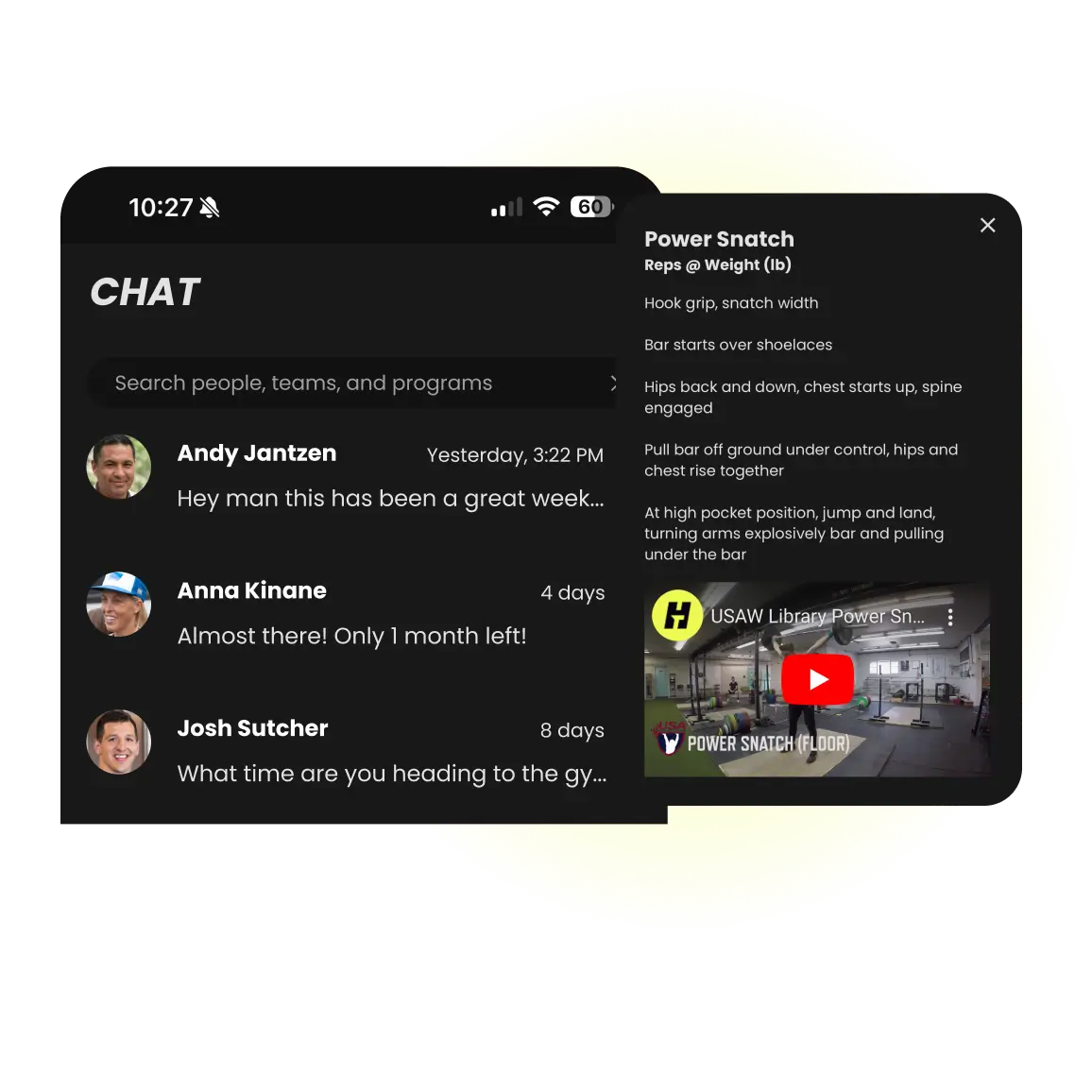
Technology can help you deliver that context consistently. Easy-to-create custom video instruction, points of performance, and session notes help deliver context to athletes and clients using TrainHeroic.
The more your athletes understand the why, the less you have to chase compliance.
3. Remove Admin So You Can Coach
If you do not believe in what you are teaching, neither will your athletes. If you can’t deliver the message with energy and enthusiasm EVERY SINGLE TIME, don’t do it at all. Remember our definition: shared beliefs, values, expectations, and practices.
We all have rough days. On those occasions, take a minute, take a deep breath, and remember that the athletes need you. They need your energy and they need your help. Don’t let them down.
This is where technology should remove friction, not remove the coach. We want to eliminate the monkey work here at TrainHeroic, so you can focus on what matters: your clients, athletes, their goals, and their results.
Your athletes do not need you to spend more time on admin. They need more of your coaching, your standards, and your presence.
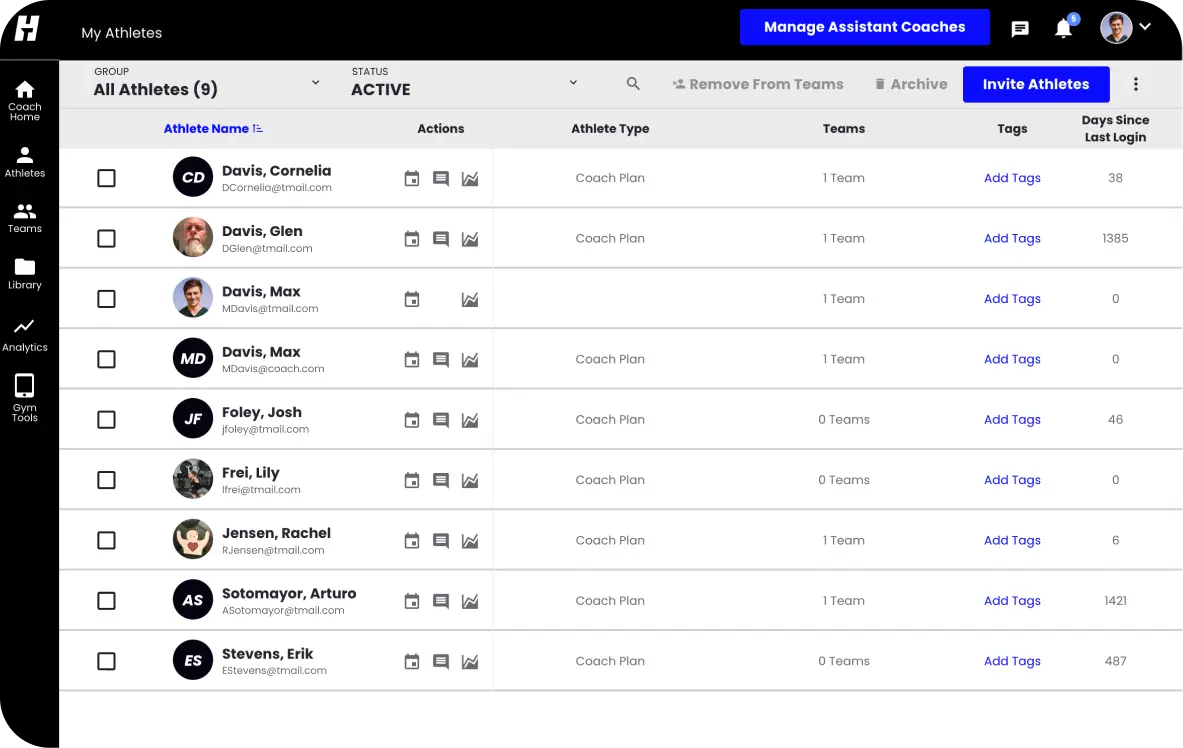
Manage your gym floor and your remote roster from one unified command center so you can spend less time on admin work and more time doing what you love: coaching.
4. Stop Informing. Start Connecting.
People may forget what you say, but they won’t forget how you make them feel. This goes back to finding out personal motivations and having 1:1s. There is nothing more powerful than a personal, intimate conversation.
Get to know those you train and find out what drives them and what doesn’t. It may be winning a championship, getting a scholarship, becoming a great parent, or taking care of their family.
Be real and be truthful, even if it hurts. Athletes always know when you’re BS-ing.
TrainHeroic Chat allows you to communicate with your athletes in real time using a text-like messaging system. You can send private direct messages, post announcements to a group, or keep in contact with athletes on a team or program.
Use it to check in, answer questions, reinforce expectations, and keep communication personal, whether you’re coaching one athlete or managing an entire group.
Again, the tool is not the relationship. But the right tool can help you maintain the relationship at scale.
5. Manage Expectations Individually
When setting goals, high achievers will strive for goals that they have a 50/50 shot of attaining — lots of pressure: “I’m going to get that 500-pound squat today.” Low achievers will set goals in which they are 100% certain of the outcome either way — very little pressure: “I’d like to squat more today.”
All of your athletes will be somewhere within this range. You have to be able to set challenging goals for each athlete every week and every session.
Rule of thumb: In every session, find something that the athlete can improve upon readily and something that is very challenging for them to accomplish. Set the expectation that failure isn’t a setback. It’s an opportunity to reevaluate and attack it again.
Technology can make this process more visible and measurable. Set goals, standards, and assessments for your athletes and clients using easy-to-set-up metrics and parameters in TrainHeroic.
When expectations are clear, athletes have a better chance of meeting them.
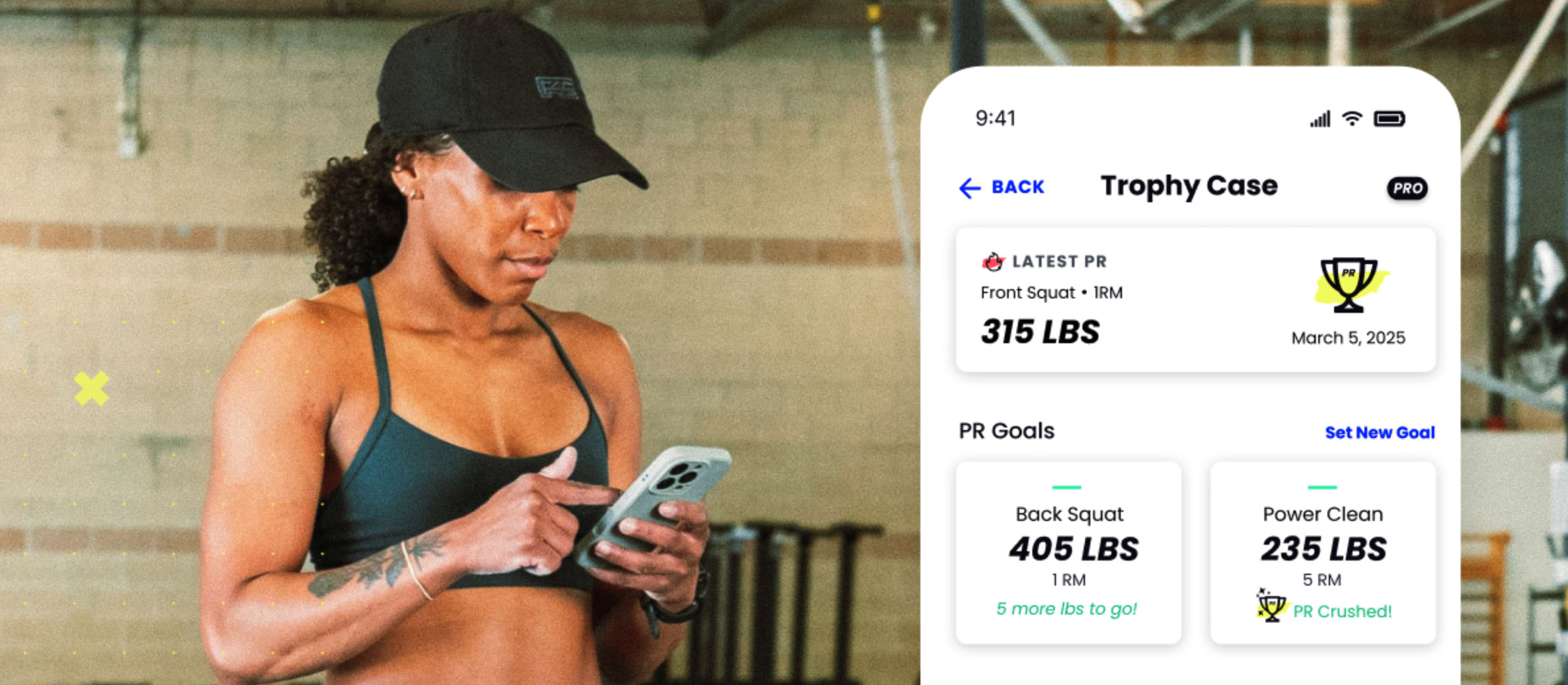
The Trophy Case in TrainHeroic is an athlete’s personal hall of fame, while PR Goals help them map out exactly where you’re headed next.
6. Influence Better Decision Making
Ask yourself these two questions: How do I influence the decisions of others? How does the environment I’ve created help influence decisions?
Allow your athletes to make positively influenced choices and give them a little autonomy. People love having a choice. This drives up engagement, and more engagement equals more effort, which leads to better results.
Real-time data feedback helps keep clients and athletes on their toes and ready to execute training. You know if they did it, when they did it, and how they felt about that day’s training as soon as physically possible.
That information should help you coach, communicate, and adjust. It should not replace your judgment.
7. Bring Joy to Life
Think of it this way: No champion became a champion saying, “Jeez, I hate this.” Make it fun and make sure you are taking care of your people. My worst fear is an athlete coming into my office and telling me they’ve lost the passion. Absolutely heartbreaking.
People first; all else second.
Technology should support that. It should make training clearer, more connected, more engaging, and more human. Not colder, more transactional, or more detached.

Technology Supports Culture. Coaches Build It.
Do not underestimate the power of effective and efficient communication. The best teams in the world have leadership groups that are open, honest, set high expectations, and expertly communicate.
More importantly, they don’t lose sight of the humanity in coaching. You, the coach, are the single most important influencer when it comes to having an impact on your people.
Use technology as a tool to help your culture thrive. Don’t let it define you or your training.
Find Your Perfect Training Plan
Sometimes all you need to reach your destination on your fitness journey is an expert guide. Look no further, we've got you covered. Browse from thousands of programs for any goal and every type of athlete.
Try any programming subscription FREE for 7 days!
Related Articles
You May Also Like...

6 Benefits of Rep Ranges & RIR Over Fixed Rep Targets
There’s nothing wrong with prescribing 3x10, but those numbers don’t tell you how hard your athlete actually worked or how much they had left in the tank. Here are six ways using rep ranges and RIR can make your programming more flexible, intentional, and effective...

5 Ways to Drive Athlete Engagement
Whether you’re transitioning from in-person to remote coaching or setting new goals for your online coaching business, keeping clients engaged will be your line to success. Above your expert programming, it’s your coaching efforts – inspiration, motivation, and...

The Best Suggested Swaps for 6 Common Exercises
You’ve programmed the perfect session… only for your athlete to DM you five minutes before training: “Hey coach, the squat racks are all taken.” “My gym doesn’t have that piece of equipment.” “My knee is feeling a little spicy today.” Exercise swaps are a normal part...
6 Benefits of Rep Ranges & RIR Over Fixed Rep Targets
There’s nothing wrong with prescribing 3x10, but those numbers don’t tell you how hard your athlete actually worked or how much they had left in the tank. Here are six ways using rep ranges and RIR can make your programming more flexible, intentional, and effective...
5 Ways to Drive Athlete Engagement
Whether you’re transitioning from in-person to remote coaching or setting new goals for your online coaching business, keeping clients engaged will be your line to success. Above your expert programming, it’s your coaching efforts – inspiration, motivation, and...

Want more training content?
Subscribe



For Coaches
For Athletes
About
Support
Training Lab
Access the latest articles, reviews, and case studies from the top strength and conditioning minds in the TH Training Lab!
Made with love, sweat, protein isolate and hard work in Denver, CO
© 2026 TrainHeroic, Inc. All rights reserved.